

How it feels to be an exvangelical watching the U.S. government create the fundamentalists’ apocalypse dream
The political events of the last few years have felt triggering for many folks, for good reason. AND there is a special kind of activation when the things the government is doing sounds very much like what the authority figures of your childhood did or told you would happen.

The impact of deconstruction on mental health (Part 1 of 2)
Religious deconstruction isn’t just changing your mind about some arbitrary theological details. Deconstruction is a cognitive, emotional, relational, and spiritual-existential process. It can be lonely, painful, and even traumatic, though many people who have experienced it do not regret their choices. If you have deconstructed or are deconstructing, your mental health is very likely being affected, and you can benefit from talking to a mental health provider who specializes in working with religious deconstruction.
What I’m doing other than therapy this spring
What I’m doing other than therapy this spring:
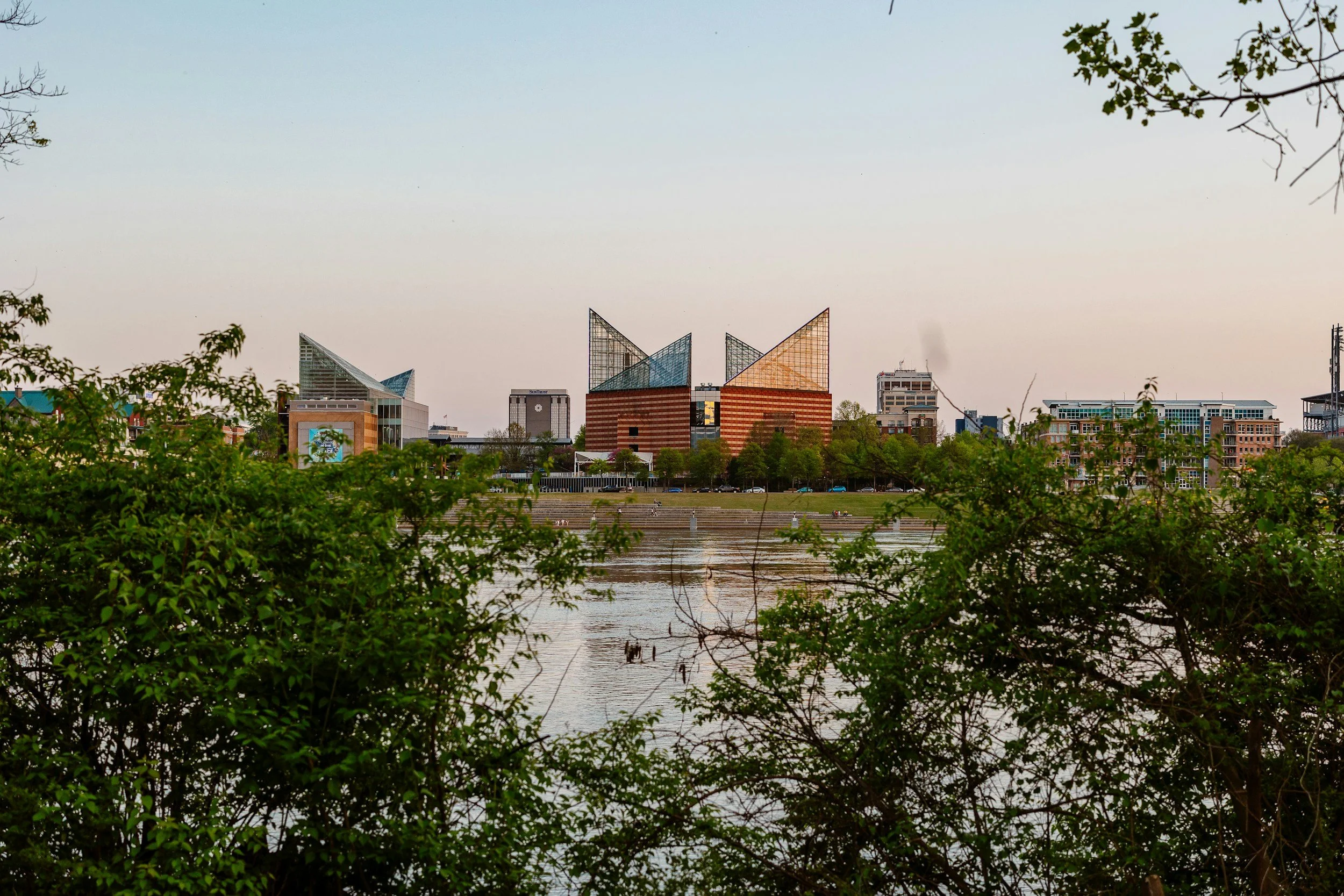
Because I generally find people fascinating, Chattanooga still operates like a small town in many ways, and I am passionate about offering services and education to folks outside of the therapy room, I’m hosting or attending multiple local events this spring adjacent to my work in some way!

How to find a LGBTQIA+ affirming therapist in Tennessee
Since Tennessee is one of the states that seems to be creating more legislation every month to limit the rights of LGBTQIA+ folks, it may be surprising to know that there are in fact many LGBTQIA+ affirming therapists in Tennessee! It’s more important than ever to connect with a mental health professional who you know is a safe person to talk about your whole self with, who can affirm all the parts of your identity, and who is informed on news and events affecting the LGBTQIA+ community.
What is religious harm?
Religious harm is a broad category which includes religious/spiritual abuse, religious/spiritual trauma, spiritual identity disruption, “church hurt,” Adverse Religious Experiences, and some types of moral injury.
A person can experience religious harm if they’ve been negatively impacted (even indirectly) by religious beliefs, teachings, practices, rituals, leaders, institutions, or groups.

What to look for (and avoid) in a therapist
Searching for a therapist can be a daunting task. Whether you’re searching Psychology Today or Therapy Den, looking through your insurance portal, or just Googling, a lot of options may show up with no way of differentiating between them! Laws around health information protections also mean that most therapists don’t have online reviews you can read to decide.
From the perspective of a therapist who is also a therapy client, here is a non-exhaustive list of things that can be considered as green, yellow, and red flags when looking for a therapist or counselor.

Why do I have a blog?
Why do I have a blog as a therapist? To share information for free that I believe can benefit folks. That’s pretty much the whole answer.
Karen Chambless, LPC-MHSP, NCC — Credentials

Karen Chambless (she/her) is a licensed professional counselor (LPC) in the state of Tennessee with Mental Health Service Provider (MHSP) designation. This means she has completed a masters degree in counseling from an accredited school, completed over 500 hours of training and clinical work while in school, passed two national examinations and a state exam, and practiced for over two years under supervision by an already licensed counselor, accruing at least 3,000 hours of experience and 150 hours of supervision. She is also a Nationally Certified Counselor from the National Board of Certified Counselors (NBCC). Karen has been practicing therapy for 5 years, but spent the first 25+ years of her life as a quintessential eldest daughter and the “mom friend” of her friend group, so she’s had a long time to hone her listening and supportive-question-asking skills.
Karen Chambless is an expert and clinical specialist in religious trauma. She has advanced training and experience in treating both complex trauma and religious trauma, as well as training and experience working with folks figuring out their queer/trans identity and/or neurotype (Autism, ADHD, Highly Sensitive, etc). Karen identifies as Queer & Highly Sensitive and is passionate about supporting folks with LGBTQ+ and neurodivergent identities to grow and heal and be their whole magical selves.