
Therapy for
Faith Deconstruction in Tennessee
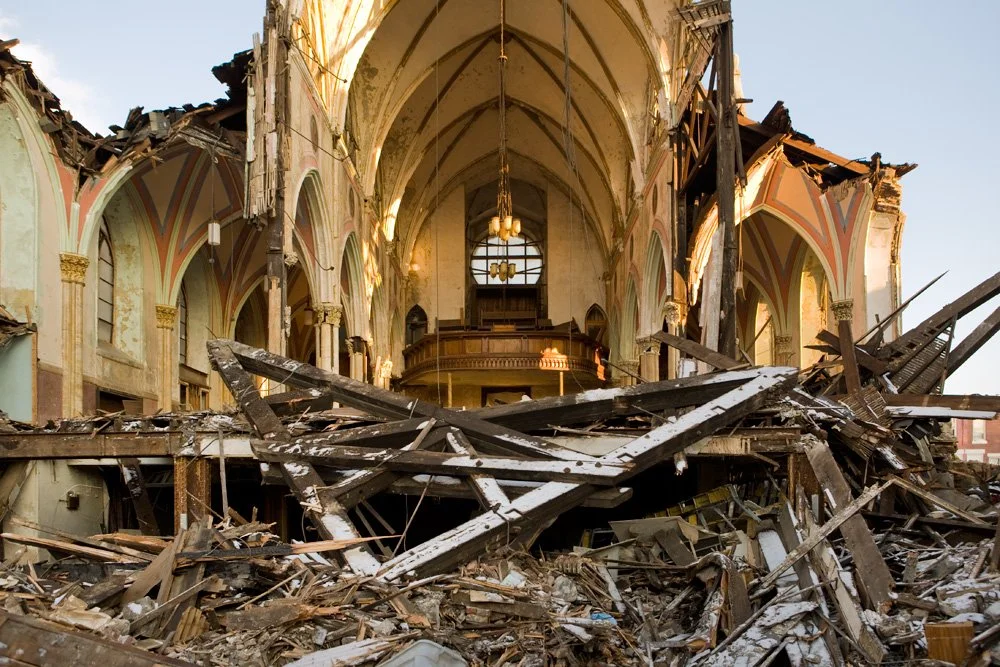
The questions tend to sneak up on you, at least at first.
What if that belief isn’t really true?
What does it mean if that spiritual leader was doing some sketchy, immoral, or even illegal things behind the scenes?
What if that sacred text isn’t meant to be taken literally?
What if that “spiritual experience” had more to do with music, repetition, and emotional intensity than anything supernatural?
What if the best people you know aren’t religious at all?
What if the worst people you know are deeply embedded in religious communities—maybe even yours?
What if this religion is doing more harm than good in the world?
Starting to ask these kinds of questions can be terrifying.
You may have been taught that even asking the “wrong” question could cost you everything—your relationships, your sense of safety, even your salvation.
And even still… something isn’t sitting right anymore.
A role, a belief system, or an entire way of life is starting to feel like it no longer fits.

Deconstruction is a full-body experience.
What may start as a few questions often becomes something much bigger.
You might notice:
intrusive thoughts or constant mental loops
anxiety, panic, or a sense of dread
guilt for even considering that something might not be true
anger—sometimes for the first time
grief over what you’re losing or may have never had
These experiences aren’t just intellectual.
For many people, this is part of religious trauma—the lasting impact of growing up in a system where questioning wasn’t safe, and where your thoughts, identity, or body were treated as wrong or even dangerous.
Learn more about therapy for religious trauma here: Therapy for Religious Trauma
You don’t have to deconstruct alone.
Maybe you’ve tried to shut the questions down—but they keep coming back.
Maybe you’ve started quietly Googling things you were told never to question.
Maybe you’re noticing more anxiety, more depression, or more anger than you expected.
Or maybe the fear has faded, and now you’re left with uncertainty—unsure what you actually believe, want, or trust.
You don’t have to keep managing this on your own.

Therapy for deconstruction offers support that people in your life—even those who care about you—may not be able to provide, especially if they’re still part of the belief system you’re questioning.
Therapy for deconstruction can help

Deconstruction isn’t just “thinking through beliefs.”
Deconstruction is usually:
a cognitive process, with swirling thoughts and intrusive questions and self-doubt
an emotional process, with fear, dread, anger and confusion
a relational process, with shifts in family, community, and identity
and a spiritual process, with impacts on our sense of a meaningful existence, our purpose, and connection to others
Therapy gives you space to work through all of these processes—not just the thoughts, but the impact on your whole self.
I know what it feels like to realize that something you thought was safety… was actually a cage.
I’ve deconstructed multiple sets of beliefs throughout my life, including seasons that felt like “dark nights of the soul.”
I specialize in working with adults navigating religious trauma and faith deconstruction, and I approach this work with both lived experience and clinical training.
Therapy with me is a space to question, vent, grieve, deconstruct or deconvert, heal from harm, and, if you want, reimagine or rebuild your relationship to spirituality.


Deconstruction is a lot to hold. So it doesn’t always fit neatly into a 45-minute session.
If you find yourself going down deep thought spirals, questioning everything, or feeling like there’s a lot to sort through, longer sessions can give us the space to actually follow those threads instead of cutting them off.
Deep Work sessions are extended sessions designed for this kind of process.
You can learn more about Deep Work sessions here.
You get to decide what comes next.

There’s no one “right” way to deconstruct.
You might leave religion entirely.
You might rebuild something different.
You might not know—and that’s okay.
Let me help you get out of thought loops, shame spirals, and self-doubt trapdoors.
We can sort through your experiences together, identifying any pieces you want to keep and any you want to let go of.
I can help you build a life that’s more meaningful than you ever thought was possible. A life that doesn’t involve thought-policing, emotion-denying, or body-repressing, where your whole brain and whole heart are welcome.
A life where your whole mind and whole self are allowed to exist.
Therapy for deconstruction can help you move toward a life that feels more clear, more grounded, and more fully your own.

Online Therapy for Deconstruction Across Tennessee
I work with clients throughout Tennessee, including in:
Learn about my approach to online therapy here: Online Therapy